
October 1, 2026 · 6 min read · Krono Legacy
How to Insure and Store a Watch Collection (Without Overthinking It)
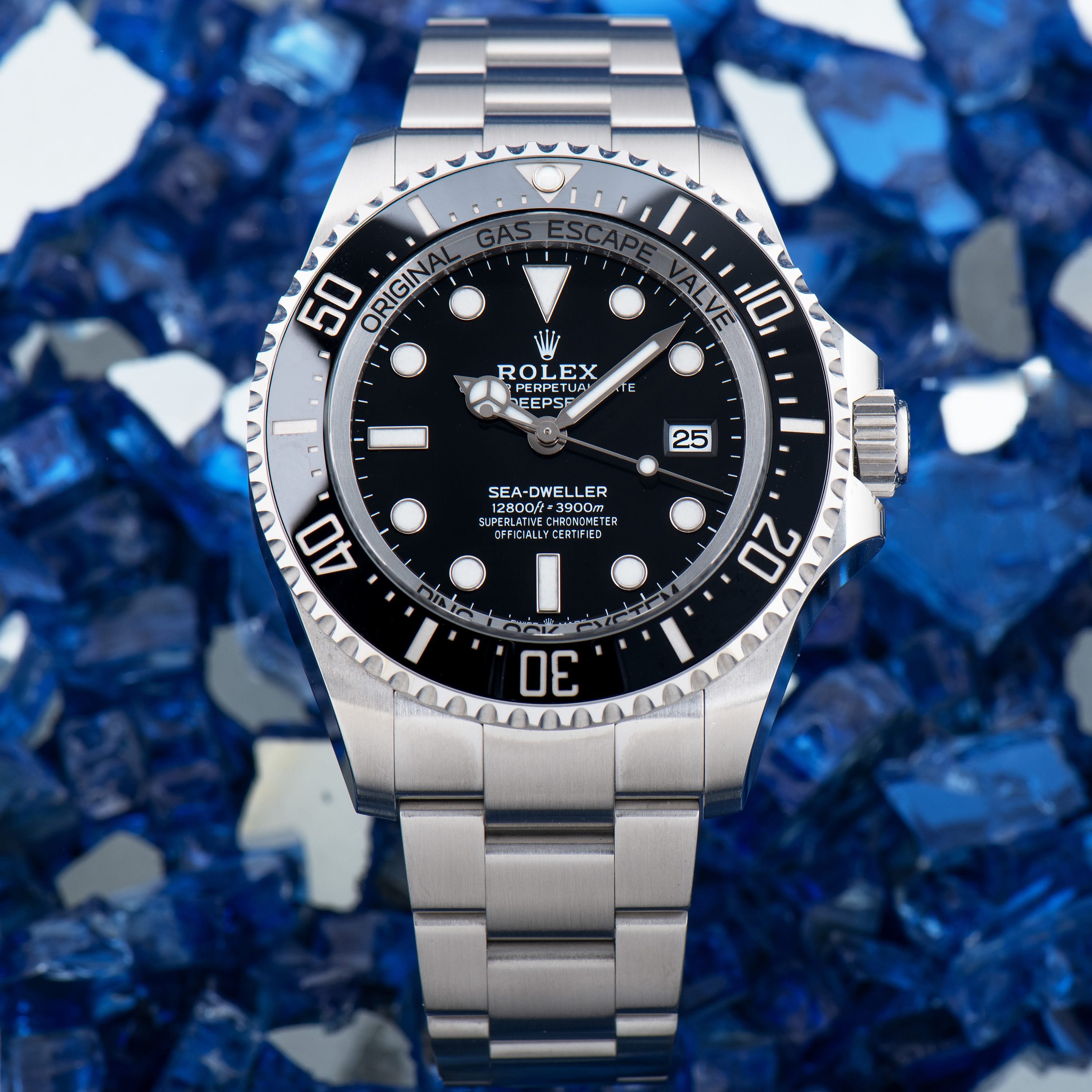
A standard homeowners policy almost never adequately covers a real watch collection — most cap jewelry and watches at around $1,000-$2,500 per item, far below the value of a single luxury piece. Proper protection means either a scheduled rider on your home policy or a standalone specialist policy, backed by current appraisals and secure storage. Here's the practical version, without the jargon.
Why homeowners insurance isn't enough
Beyond the low per-item caps, many standard policies and riders exclude "mysterious disappearance" — the catch-all for a watch that simply goes missing. For anything approaching investment-grade, you need coverage written specifically for the watch, not a general contents policy.
Two ways to insure
The first option is a scheduled rider: you add each watch to your existing home or renters policy as a scheduled item, backed by an appraisal or purchase receipt. The second is a standalone specialist policy offering all-risk, agreed-value coverage worldwide. "Agreed value" matters — it pays the sum you agreed at the outset rather than a depreciated guess after a loss. Expect to pay roughly 1-2% of insured value per year, so a $10,000 watch runs about $100-$200 annually. Established insurers like Chubb specialize in this kind of valuables coverage.
Appraisals and documentation
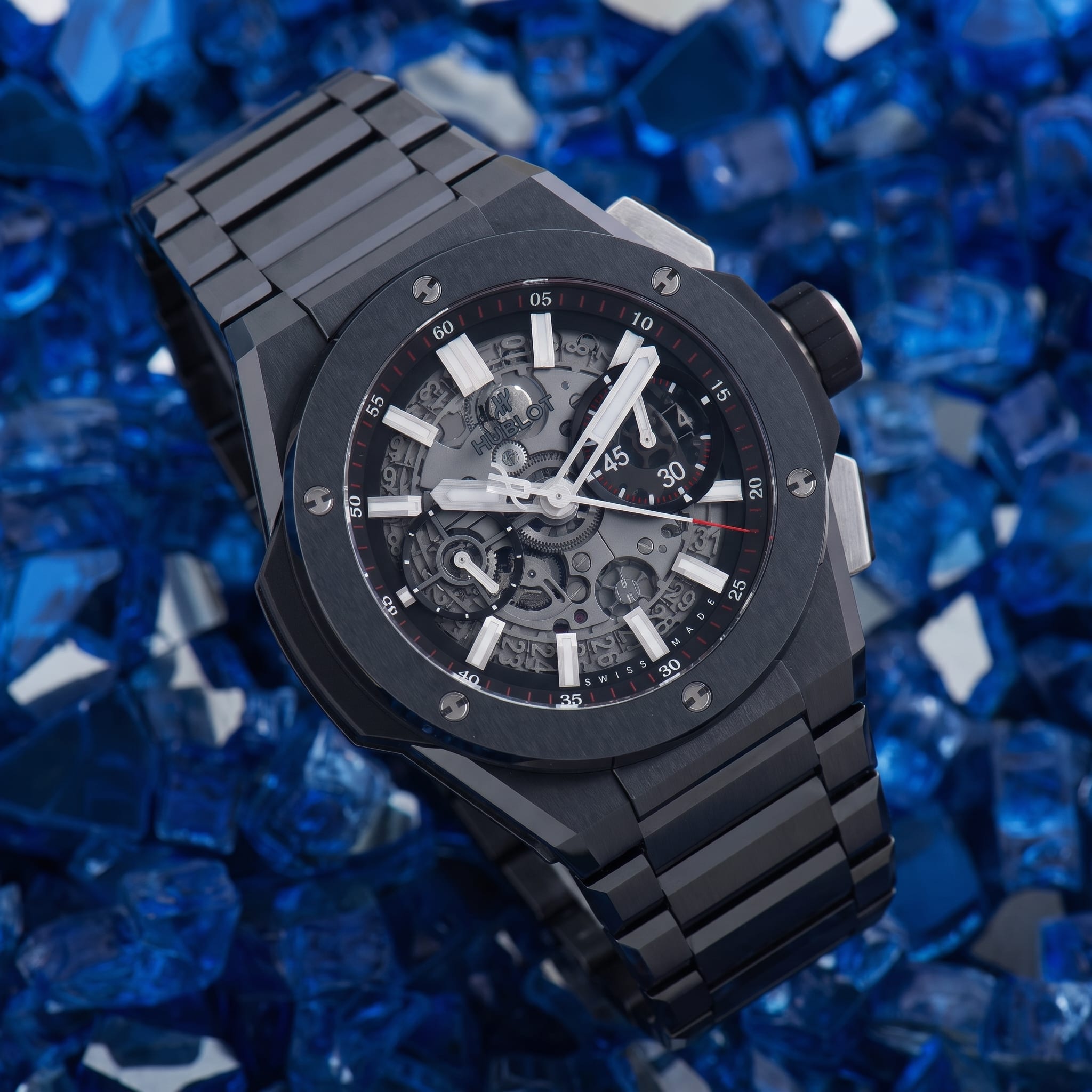
Get an independent appraisal before binding any policy, and re-appraise every 12 to 18 months for actively traded references — a Rolex, Patek, or AP can shift in value meaningfully within a single year, as we explain in do luxury watches hold their value. Keep the box, papers, serial records, and clear photos; they support both your valuation and any future claim. If you're unsure what a piece is worth, our guide to the six valuation factors is a good starting point.
Storage insurers actually accept
Insurers can deny a claim if they decide your watches weren't stored securely, and a watch box on a dresser is often considered inadequate for a valuable collection. For higher-value pieces, expect to need a quality, boltable safe (a winder-safe for automatics) that meets recognized security standards. It's both a genuine deterrent and a condition many policies quietly require.
The sensible baseline
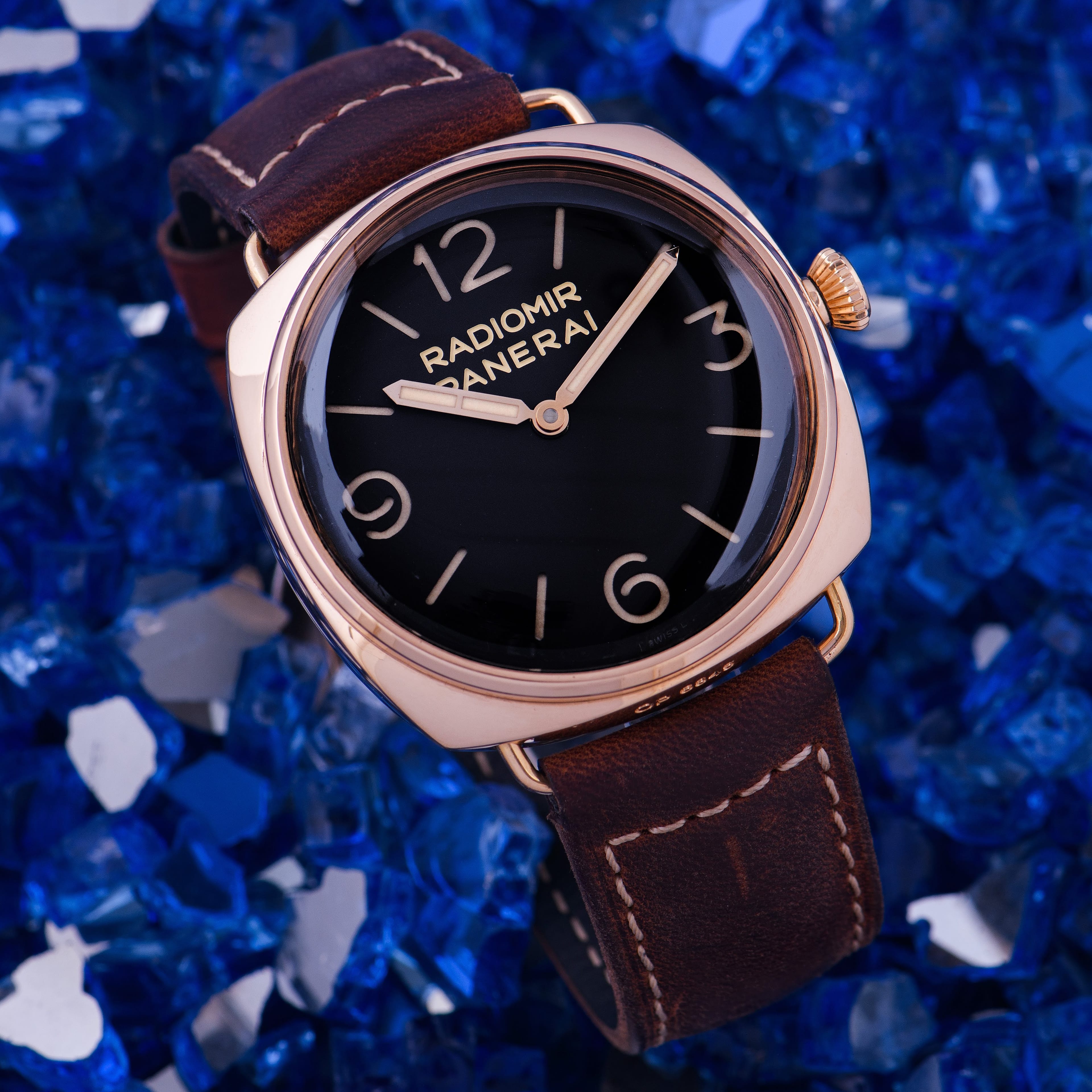
Insure to an agreed value, appraise regularly, store in a proper safe, and keep your documentation in order. Do those four things and you can stop worrying and actually enjoy the watches. If you're building a collection, browse our collection or reach out — we're happy to talk provenance and care, not just sales.
Keep reading